
Creative Solutions for Tiny Full Bathrooms
Intro
Tiny full bathrooms often present a unique challenge for homeowners and renters. Balancing limited space with the need for functionality can feel like solving a tricky puzzle. Despite these constraints, there exists a world of innovative solutions that can transform even the smallest of bathrooms into stylish and efficient retreats.
The discussion begins by exploring various design inspirations, the latest styles, and the best practices that can maximize every square inch. Following that, we'll delve into product recommendations, including essential fixtures and storage solutions tailored for compact spaces. Each choice can create a harmonious environment that merges practicality with personal style, proving that a small bathroom doesn't mean sacrificing design.
As we journey through this guide, our focus is on enriching those modest spaces into something more than just a service area. By taking a closer look at these aspects, you'll find ways to create a sanctuary right in your home, regardless of its size.
Design Inspirations
Trending Styles
When it comes to tiny bathrooms, embracing current design trends can effectively marry form with function. Popular styles include:
- Minimalism: Clear lines, hidden storage, and neutral tones create a spacious feel. It emphasizes the "less is more" mantra.
- Farmhouse Chic: Utilizing reclaimed wood and vintage fixtures can introduce warmth and character, making a compact space feel cozy.
- Modern Monochrome: A palette of blacks, whites, and greys provides a sleek, contemporary vibe. Pairing bold lighting elements can add drama without overwhelming the space.
Using trendy styles can elevate the overall ambience. You’ll find that blending elements from various designs ultimately leads to a unique personal touch that resonates with your taste.
Color Palettes
The colors you choose for your bathroom have a profound impact on how spacious it feels. Selecting palettes such as soft pastels or light neutrals opens up the room, while deeper hues can add a touch of sophistication if applied thoughtfully. Consider these approaches:
- Soft Blues and Greens: These shades evoke tranquility, giving a spa-like aura.
- White Accents: Utilizing white tiles or fixtures can make the space look larger and airier.
- Color Pop: A vibrant accent wall or colorful accessories can draw focus and add energetic flair, making the room inviting while contributing to space optimization.
Designing doesn’t mean you have to confine to traditional choices; innovative colors add personality, even in tight spaces.
Embracing these color palettes offers a possible different perspective on how one can experience their environment, especially in a smaller setting where limitations challenge creativity.
Product Recommendations
To maximize a tiny full bathroom's functionality, it's crucial to select products that fit both space and style. Choosing the right accessories can make all the difference.
Bath Accessories
Not all products are made equal, particularly when space is at a premium. Here are some recommendations:
- Wall-Mounted Soap Dispensers: They keep surfaces tidy and declutter countertops.
- Compact, Multi-Function Vanity Mirrors: Mirrors with built-in lighting revamp functionality and visually expand the area.
- Clever Storage Solutions: Consider corner caddies or tiered shelves to use vertical space efficiently.
Storage Items
In a small bathroom, thoughtful storage solutions are a lifesaver. Identify what will serve the dual purpose of holding essentials while being stylish. Here are ideas:
- Under-Sink Storage: Use stackable bins or pull-out drawers.
- Floating Shelves: These not only provide visibility but elevate aesthetics, too.
- Over-The-Toilet Shelving: Utilize this otherwise wasted space creatively.
Choosing the right products impacts your bathroom's look and function. Each item should contribute to a clean, coherent design.
As we weave through these innovations, remember that every small decision counts. Homeowners and renters alike can craft a functional full bathroom without sacrificing style.
Understanding the Challenges of Small Bathrooms
When it comes to renovating or designing a small bathroom, understanding the inherent challenges is crucial. A tiny bathroom may seem like an insurmountable puzzle, but with the right approach, it can be transformed into a functional and stylish space. The importance of grasping these challenges lies in tailoring design solutions to meet not only aesthetic preferences but practical needs. Utilizing every inch of space is not just a goal but a necessity.
Identifying Common Space Limitations
In a compact bathroom, space often feels like a constant adversary. The foremost limitation is, of course, square footage. This can lead to overcrowding if the wrong fixtures are chosen or if there's not a clear layout plan. Often, homeowners are faced with narrow spaces that make it challenging to include essential components like a bathtub, shower, and vanity. For instance, a standard bathtub takes up significant room, potentially limiting the possibility of a shower stall.
Another challenge is the placement of windows and doors, which often dictate how a bathroom can be arranged. Poorly positioned doors could impede movement, while insufficient natural light can make the area feel even smaller. Completing the congestion, the absence of effective storage solutions can result in cluttered countertops, which undermines any sense of tranquility.
Analyzing User Needs and Preferences
Beyond the physical constraints, it is essential to consider the inhabitants' needs and preferences. Before delving into designs, understanding how the space is intended to be used is paramount. Some might prioritize a luxurious soaking experience, while others may want a quick and efficient showering option during busy mornings. Identifying these priorities can guide design choices significantly.
For example, families may lean towards safety and child-friendly elements, like rounded corners and accessible storage. Alternatively, young professionals might prefer sleek and modern fixtures that save time. Moreover, personal touches, such as favorite colors or cherished decorative items, often play a vital role in the final look, influencing everything from the tile selections to the type of lighting fixtures needed.
By acknowledging these needs and creating a checklist, homeowners can better navigate the myriad of choices, ensuring their tiny bathroom becomes not just a necessity but a reflection of their personal style and functional needs.
Essential Elements of Design
When it comes to small bathrooms, the phrase "less is more" cannot be more accurate. Design elements play a crucial role in maximizing utility while ensuring aesthetic appeal. Creating a functional yet stylish tiny full bathroom requires thoughtful consideration of various aspects. From fixtures to finishes, every element counts and contributes to the overall experience in such a compact space.
Key Features to Consider
In a tiny bathroom, prioritization is key. Start with the essentials—shower or bathtub, toilet, and sink.Once you have established these, look at other features that enhance functionality.
- Space-saving fixtures: When selecting a toilet, consider wall-hung models. These save floor space, making the room feel larger.
- Compact vanities: A pedestal sink or a floating vanity can do wonders for a tight space, providing surface area without overwhelming the room.
- Multi-functional components: Think about integrating storage under the sink or using mirrors that come with lighting to double as storage space.
It’s said that a well-planned layout can boost the glamour of even the tiniest spaces. By focusing on these key features, you set a solid foundation for the design, ensuring it remains functional first before moving into aesthetics.
Emphasizing Versatile Fixtures
Versatile fixtures adapt to the needs of the user while making the best out of what’s available. Design selections should marry practicality and style seamlessly.
- Adjustable shower heads: Opt for models with various height settings, catering to users of all sizes. This little element can enhance comfort significantly.
- Foldable shower doors: Instead of using traditional doors, look into bi-fold or tri-fold options that save space when opened.
- Dual-flush toilets: These not only help conserve water but offer functionality, allowing you to choose the flush according to usage.
"What’s important is how we think outside the box to create more with less."
These versatile fixtures support smart design choices, turning tight quarters into welcoming retreats. The thoughtful incorporation of such elements in a tiny bathroom not only boosts efficiency but adds a layer of sophistication too.
In summary, focusing on essential features and versatile fixtures will assist in curating an elegant yet functional tiny bathroom. Choosing wisely can turn a cramped environment into a stylish sanctuary.
Spatial Arrangement and Layout Ideas
When it comes to tiny full bathrooms, the spatial arrangement and layout can make or break the functionality and overall appeal of the space. Not only does a smart layout ensure that every square inch is utilized effectively, but it also impacts the mood and comfort of the room. Homeowners need to think critically about how to position fixtures, storage, and access points, as these decisions can create a sense of openness or, conversely, make the space feel cramped.
One significant benefit of focusing on layout is that it allows for the seamless flow of movement. In small bathrooms, it’s crucial to keep pathways clear to facilitate easy navigation. While aesthetics matter, practical considerations should definitely take precedence. Each element should be placed with intention, allowing for an environment that serves both function and form.
Strategic Placement of Fixtures
It’s not just about where you put things; it’s about how those choices interact with one another. Positioning larger fixtures, like the toilet and shower, takes careful consideration. For instance, placing the shower in the corner can save valuable space, providing a streamlined look and maximizing the room’s usability. Additionally, vanities can be wall-mounted to provide more floor space, which can create an illusion of greater area.
The following points are vital when placing fixtures:
- Accessibility: Ensure that all fixtures are easy to reach, especially in cramped quarters.
- Proximity: Place items that are frequently used together close to each other. For example, keeping the towel rack near the shower can enhance convenience.
- Views: Consider sightlines from the entrance. A strategically placed mirror can open the room up visually, providing depth.
Using Corners and Nooks Efficiently
Corners are the unsung heroes of small bathrooms. Instead of leaving them bare, think about how they can be transformed into effective storage or usable space. Installing corner shelves can not only display decor but also hold essentials like toiletries and towels. Furthermore, consider utilizing corner sinks, which can save space while providing functionality.
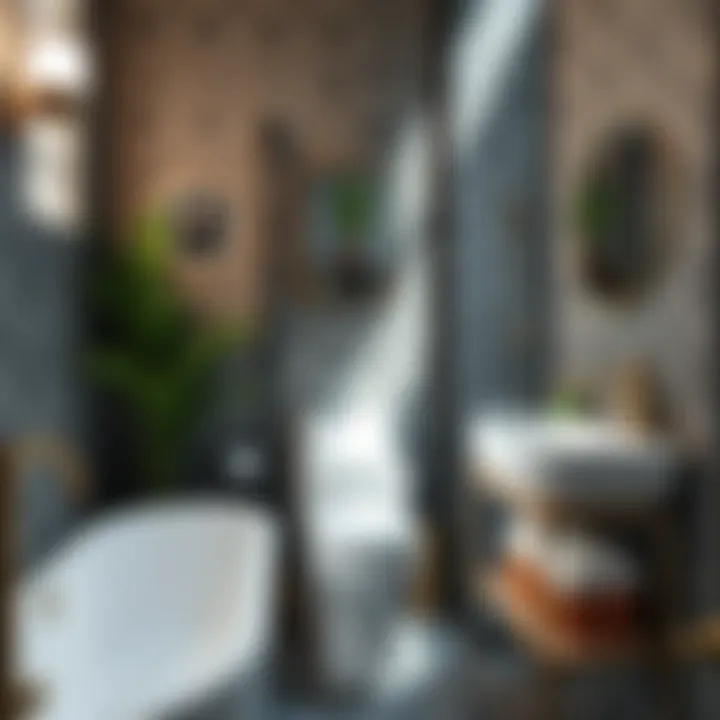
Apart from utilizing corners, nooks can be fashioned into cozy reading corners or relaxation areas if there is ample space. These areas can feature a small, chic stool and a unique tabletop plant to add a touch of charm and create a more inviting environment.
- Options for Corner Storage:
- Corner cabinets that match the bathroom decor.
- Floating shelves to keep floors clear.
- A triangular shower caddy for efficient use of the shower space.
Open versus Closed Layouts
The debate between open and closed layouts in tiny bathrooms is an interesting one. An open layout can create a fluid space that feels larger by eliminating barriers. For instance, opting for a glass shower enclosure rather than a solid wall can enhance the visual space while still providing functionality.
On the other hand, closed layouts might be preferable for those who enjoy a bit of privacy. By clearly defining areas with walls or curtains, the bathroom can serve different purposes simultaneously. This is especially useful for families or shared living spaces.
In terms of design, balancing openness with privacy is key. You might want to consider the following:
- Sliding doors to save space instead of swinging ones.
- Frosted glass as a compromise between openness and privacy.
- Clear aesthetic themes to maintain visual continuity.
"The sum of your bathroom's design decisions lies in the layout. A well-thought-out approach can turn a claustrophobic space into a sanctuary of style and utility."
Color Schemes and Materials
When considering the design of a tiny bathroom, the choice of color schemes and materials becomes critically important. The way colors interact with the space can determine not just aesthetics but also the perceived size of the room. Mindfully chosen hues can create an illusion of spaciousness, while the right materials can add depth and personality without being overwhelming.
Choosing Light Tones for Space Enhancement
Light colors help to open up spaces, making rooms feel larger and more inviting. Bright whites and soft pastels have a reflective quality that bounces light around, thus illuminating even the smallest corners. This isn’t merely about painting the walls—think cabinets, tiles, and even fixtures. For instance, a pale beige may provide warmth while keeping things airy, as opposed to darker shades that draw the eye in and risk making the space feel cramped.
Consider these benefits when selecting your color palette:
- Visual Expansion: Light tones trick the eye into seeing a bigger area.
- Timeless Appeal: Soft shades end up being incredibly versatile, adapting over time as trends change.
- Connection with Fixtures: Light colors complement metallic elements, enhancing elegance without overshadowing the design.
When light tones are combined with clever lighting solutions, one can transform a cramped little area into a welcoming sanctuary that feels like a breath of fresh air.
Incorporating Textural Elements
Texture plays a pivotal role in creating interest in a small bathroom, especially when overuse of light colors might lead to a monotonous look. The interplay of different materials adds depth and can really enhance the overall affect of the room. Think about using a textured tile for the floor or a matte finish on the walls; these can draw the eye and invite touch, making for a more engaging space.
Incorporating textural elements can take various forms:
- Textured Wall Treatments: Whether it’s a shiplap finish or decorative plaster, these elements add dimension without the need for bold colors.
- Contrasting Materials: Pairing glazed ceramic tiles with natural wood accents can create a balanced yet dynamic look, effortlessly bringing sophistication to a small bathroom.
- Accessories and Soft Furnishings: Consider towels, rugs, and the shower curtain as opportunities to introduce texture—they can add softness and depth while still adhering to the overall scheme.
Choosing the right colors, blending them thoughtfully with materials that offer textures, can truly enhance a tiny bathroom’s overall vibe, making it a space that feels personal and thoughtfully designed.
Storage Solutions in Limited Space
When it comes to tiny full bathrooms, having adequate storage can make or break the entire experience. Clutter can easily turn a serene space into a chaotic one. So, finding innovative storage solutions is paramount to ensure that every item has its place without compromising the overall aesthetic. The right strategy not only boosts functionality but also enhances the beauty of the space. Therefore, let’s explore various tactics for efficiently utilizing the limited real estate available.
Maximizing Vertical Space
One of the smartest moves in a small bathroom is to take full advantage of vertical space. After all, when floor space is limited, going up is often the best option. Wall-mounted cabinets come in handy, providing storage without eating into an already cramped area. Consider installing shelves high up on the walls to store items that are not used on a daily basis, like seasonal towels or extra toiletries.
- Tall cabinets can work wonders if you can extend them to the ceiling.
- Hooks or hanging racks can also be placed on wall surfaces.
- For a more sleek look, think about open shelving; it provides accessibility while showcasing lovely decor or practical items like rolled towels.
The trick lies in blending the storage with the design so that it feels natural and not forced.
Utilizing Under-Sink Areas
The area beneath the sink is often an afterthought, but it can serve as an untapped treasure for storage. A bit of creativity can go a long way in this cramped space. Instead of leaving it bare or cramming it full of products in a hodgepodge manner, consider options like:
- Pull-out drawers or small bins that allow you to keep cleaning supplies and toiletries neatly organized.
- Sliding trays that can make reachin for items a piece of cake. With such a setup, digging in the back becomes a chore of the past. Where applicable, mats or shelves can also elevate baskets' contents above the plumbing, making them easier to retrieve and reducing visual clutter.
By transforming the under-sink area into a functional storage spot, you can keep the essentials at hand without losing sight of aesthetics.
Innovative Shelving Units
Shelving units can play a starring role in small bathrooms, offering versatility and style all in one package. Instead of traditional bulky cabinetry, explore lighter and more functional shelving units that cater to both storage and decor.
- Corner shelves take advantage of otherwise dead space, fitting snugly in areas that are often overlooked.
- Over-the-toilet shelving serves the dual purpose of functional storage while freeing up floor space.
- If you want a more customizable approach, consider modular shelving systems that can change as your storage needs evolve.
Lighting Considerations
Good lighting is like the icing on a cake; it can make or break the overall feel of a tiny bathroom. In small spaces, lighting plays a crucial role, not just in functionality but in setting the mood and enhancing the aesthetic. Carefully planned lighting can create illusions, making a cramped area seem more spacious and inviting. And let's not forget about safety! A well-lit bathroom mitigates accidents, ensuring that all areas, especially those harder to reach, are visible and accessible.
Selecting Efficient Lighting Fixtures
When choosing lighting fixtures, consider those that are energy-efficient yet powerful enough to illuminate every nook and cranny. LED fixtures, for instance, have become the go-to option for many homeowners looking to save on energy costs while providing bright, focused light. If you can, opt for recessed lighting or wall-mounted sconces, as they don't eat up counter space and blend seamlessly into the room's design.
- Directional Lighting: It helps to highlight certain areas, like a mirror or a vanity.
- Dimmers: Installing dimmer switches can allow you to control ambiance, going from bright and functional during the day to soft and relaxing in the evening.
- Scale: Small fixtures can appear delicate, while larger ones can overpower the space. Strike a balance that ensures the choice feels just right.
What matters is finding fixtures that reflect your personal style while catering to the practical needs of your bathroom. It can be a fine line, but that's where the fun of bathroom redesign comes into play.
Utilizing Natural Light
Natural light is truly the star of the show in any bathroom. It not only brightens the space but also can create a soothing atmosphere. The presence of natural light can elevate your moods, helping you feel fresher and more awake in the mornings. To make the most out of this resource:
- Maximize Windows: If your bathroom allows it, consider enlarging or adding windows. Skylights are an excellent option for tight spaces, providing daylight without sacrificing privacy.
- Light-Colored Window Treatments: Sheer curtains or blinds can diffuse natural light while still providing a level of obscurity.
- Reflective Surfaces: Mirrors shouldn't just be for checking your hair; they can bounce light around the room. Place one opposite a window, and you’ll effectively double the natural light entering the space.
"Light is the illusion that makes everything come alive in a small bathroom. Using natural light wisely can completely change how the space feels, making it brighter and more inviting."
Incorporating natural light and efficient fixtures together is smart living in a small bathroom. Not only does it enhance the functionality of the space but it also creates an environment where you can enjoy the little moments, like a warm bath or a quick morning routine.
Incorporating Technology
In the ever-evolving landscape of home improvement, technology has become as essential as a decent showerhead in the bathroom. For tiny full bathrooms, where space is at a premium and every square inch counts, embracing tech solutions can elevate functionality and efficiency, ensuring that what might initially seem like a cramped area transforms into a modern sanctuary. With the right use of smart features, homeowners can merge aesthetics with practicality, crafting a space tailored to today’s lifestyle.
Smart Fixtures for Efficiency
When it comes to optimizing a small bathroom, one of the most effective strategies involves the adoption of smart fixtures. These enticing additions come into play in various forms such as touchless faucets, smart toilets, and even shower systems that can be programmed for personalized temperature.
- Touchless Faucets minimize water usage and maintain cleanliness, eliminating the need for constant wiping off handles. They're perfect for households with kids or anyone wanting to keep it low maintenance.
- Smart Toilets, which offer features like heated seats, built-in bidets, and automatic cleaning functions, can significantly enhance comfort while also reducing the amount of water used per flush.
- Smart Showerheads adjusting flow rates based on usage can save gallons without sacrificing the shower experience.
Installing these fixtures could mean the difference between simply rinsing off after a long day and enjoying a spa-like experience in your own home.
"Incorporating technology is no longer just about being trendy; it's about transforming our living spaces into efficient, user-friendly environments."
Automated Control Systems
Automated control systems represent another leap forward in the realm of bathroom innovation. These setups enable homeowners to regulate their bathroom environments seamlessly, all through a single interface or app on a smartphone. Imagine waking up to a soothing light dimmable according to your mood or preferences, and a shower that’s heated to the perfect temperature before you even step inside.
- Smart Lighting: Integrating LED lighting with sensors can make a small bathroom feel larger and more inviting without any substantial renovations. Automated dimmers, which adjust brightness based on the time of day, can set the right ambiance whether you’re preparing for a busy day ahead or winding down at night.
- Temperature Control: With smart thermostats, you have the power to maintain the ideal temperature in your bathroom. No more shocking cold tiles in the winter or steamy discomfort during the summer.
- Voice Command Systems: Tying in with existing home automation, voice-activated technology can make turning on lights, adjusting the shower temperature, or even playing music a hands-free experience, which is highly beneficial in a tight space.

Incorporating these automated systems not only maximizes the utility of the small footprint but also adds a dash of luxury that would make anyone feel special in their own home.
Creating a Sense of Openness
Creating a sense of openness is crucial in tiny full bathrooms, where every square inch matters. When you’re working with limited space, it’s essential to make design choices that foster a feeling of airiness and lightness rather than confinement. Such a sense of openness not only enhances the visual appeal but also contributes to better functionality. Homeowners and renters alike find that well-thought-out elements can transform a cramped environment into a serene retreat, boosting mood and relaxation.
Consider how a few specific design strategies can aid in achieving that goal. For instance, choices like glass partitions and strategic mirror placements help to trick the eye into perceiving more space. By allowing light to flow unimpeded and reflecting it back, these elements open up the bathroom in ways traditional walls cannot.
When addressing the need for openness, there are additional benefits worth mentioning:
- Enhanced Natural Light: Emphasizing transparency in bathroom design permits natural light to spill in, eliminating dark corners that often make rooms seem smaller.
- Visual Cohesion: A less cluttered environment where elements use similar materials and themes can create a consistent feel, making the space seem more unified and bigger.
- Mindset Shift: A more open bathroom can foster a sense of tranquility and cleanliness, encouraging a positive experience rather than a cramped feeling sometimes associated with smaller spaces.
In essence, creating a sense of openness in tiny full bathrooms goes beyond aesthetics; it aligns closely with improved daily experiences.
Using Glass Partitions
Glass partitions are becoming increasingly popular in bathroom designs aimed at achieving a more spacious feel. Instead of conventional solid walls that can make the area seem closed off, glass provides an effective way to delineate spaces without sacrificing visibility.
Imagine a setting where the shower area is enclosed with frosted glass. It keeps water contained while still allowing light to pass through, creating an illusion of more depth. This approach is particularly effective for narrow bathrooms, where the sightline is often restricted. By employing a transparent or semi-transparent material, you not only enhance the visual layout but also maintain that airy appeal.
Furthermore, glass can come in several forms:
- Frameless Glass: This type adds a contemporary touch while creating an expansive feel. It draws the eye across the room without interruption.
- Etched Designs: Incorporating designs into the glass can add visual interest while providing some privacy. Textured patterns could give the space a unique feel without compromising openness.
Choosing to implement glass in your tiny bathroom doesn’t only brighten the space; it can also be a stylish option that reflects modern tastes.
Mirrors and Reflections
Mirrors are another tried-and-true resource when it comes to expanding visual space in a small bathroom. By incorporating reflective surfaces, you can amplify light and give an illusion of depth. Just to clarify, this isn't about simply installing any old reflective glass.
The strategy here relies on smart placement and size. A large mirror placed above the sink, for instance, can double the sense of space, making it feel as though the room extends beyond its physical limits. Mirrors can also be framed in beautiful designs that add personality to the area.
Some practical tips for leveraging mirrors effectively include:
- Strategic Positioning: Place mirrors opposite windows or light sources to capture and reflect available light, heightening illumination.
- Multiple Mirrors: In tight zones, using several smaller mirrors can create a sophisticated layer of reflection, further enhancing the feeling of openness.
- Decorative Options: Consider using mirrors framed with bold colors or textures to bring in a design element while still serving the purpose of reflection.
"In the right context, glass and mirrors can turn the ordinary into extraordinary, particularly in spaces where every detail counts."
By thoughtfully integrating these elements, tiny bathrooms can achieve that desired sense of openness, succeeding in both style and functionality.
Personal Touches and Decor
When it comes to transforming a tiny full bathroom, personal touches and decor play a major role in shaping the space into something that reflects your unique style and preferences. The bathroom is more than just a functional area; it's a sanctuary for self-care and relaxation. Therefore, enhancing its aesthetic appeal while maintaining practicality is essential.
Integrating Art and Accessories
Art and accessories can infuse color and personality into your bathroom. This is where creativity can truly shine. Consider introducing framed prints or canvases that resonate with you. A bold abstract painting can serve as a captivating focal point, drawing the eye away from the room's limitations in size.
Accessories such as unique soap dispensers, decorative towels, or a stylish shower curtain can also make a statement. When selecting these items, think about materials and textures. A rustic wooden shelf, for example, adds warmth, while sleek, modern fixtures can contribute a sense of elegance.
Additionally, avoid cluttering surfaces. Instead, opt for a few standout pieces that tell a story. Every item you decorate with should serve a purpose—either functional or personal. Think of a small vanity tray to hold these elements neatly; this creates harmony and makes the space feel pulled together.
Incorporating Plants for Serenity
Bringing greenery into your bathroom can elevate the atmosphere in ways you might not expect. Plants offer a natural serenity that can make any space more inviting. Think about pots of ferns or succulents, which do well in humid environments and require low maintenance. Positioning these plants near a window or above the toilet can cleverly utilize space without compromising functionality.
Moreover, plants improve air quality, fostering a more refreshing and relaxing environment—perfect after a long day.Here’s a handy list of plants great for small bathrooms:
- Pothos: Thrives in indirect sunlight and is nearly impossible to kill.
- Snake Plant: Tall and elegant, this type tolerates low light and infrequent watering.
- Aloe Vera: Offers healing benefits and looks beautiful and decorative.
In summary, personal touches and decor significantly shape how a small bathroom feels. A few well-placed art pieces or greenery not only beautify the space but also create a vibe that encourages relaxation and personal expression. Explore design possibilities that speak to your aesthetic, and don't hesitate to experiment!
Maintenance and Practical Considerations
Maintaining a tiny bathroom doesn’t have to be a never-ending chore. Knowing how to keep it tidy and functional is essential for enjoying your space to the fullest. It's not just about cleaning; it's about creating an environment that stays beautiful and practical in the long run. From choosing user-friendly materials to establishing a solid cleaning routine, a strategic approach can significantly enhance your small bathroom experience.
Choosing Materials for Durability
When it comes to small bathrooms, durability should be at the forefront of your material selection. Opting for stronger materials means you're cutting down on frequent repairs and replacements, which can be time-consuming and costly.
You might want to consider:
- Ceramic or Porcelain Tiles: These don't just look great; they’re also waterproof and incredibly robust. Perfect for high-moisture environments, they’ll withstand the test of time.
- Quartz Countertops: Known for their low maintenance and scratch resistance, quartz is a solid choice that blends aesthetics with functionality.
- Water-Resistant Paint: Using paint specifically designed for bathrooms can prevent peeling and mold. Look for brands offering mildew-resistant options.
Durable materials extend the life of your bathroom components, translating to a lower maintenance workload. Moreover, these selections create a polished and impeccable appearance that can uplift the ambiance of any small space.
Considerations:
While choosing materials, keep your lifestyle in mind. If you have pets or kids, prioritize items that can endure rough treatment without looking tired.
Creating a Cleaning Routine
A well-planned cleaning routine ensures your tiny bathroom stays spick and span without taking a toll on your schedule. Breaking down tasks into manageable segments means you can tackle your space more efficiently. Here’s a basic outline you might find helpful:
- Daily Wipe-Downs: Take a moment to wipe surfaces after every use. This little habit prevents grime and keeps your bathroom looking fresh.
- Weekly Deep Clean: Set aside a specific day, like Saturday, to tackle deeper cleaning tasks. Scrub tiles, clean mirrors, and check for mold growth in corners.
- Monthly Maintenance Checks: Paying attention to little details can prevent significant problems down the line. Ensure that plumbing fixtures are in good shape and that paint hasn’t deteriorated.
Implementing a consistent cleaning regime means less heavy lifting down the line. Plus, it helps you discover any issues before they become major headaches.
By fostering a regular cleaning schedule, you preserve not only your bathroom’s appearance but also its value.
In a nutshell, establishing durability through smart material choices along with a practical cleaning routine ensures that your tiny bathroom remains a place of comfort and elegance. Keeping it neat won't take away from your enjoyment of the space, but rather enhance it over time.
Sustainability in Small Bathrooms
Sustainability in small bathrooms is not just a passing trend but a necessity in today’s world. As folks become more aware of their environmental footprint, even the tiniest of bathrooms can contribute to a greener planet. The importance of sustainable practices here goes beyond mere aesthetics; it offers significant benefits such as reduced utility bills, enhanced air quality, and minimized waste.
Embracing sustainability in such limited spaces involves more than just choosing eco-friendly materials. It requires a holistic approach that integrates energy efficiency, water conservation, and an overall commitment to reducing one's ecological impact. The insights drawn from this perspective can lead homeowners to alternatives that may not only save money but also heighten the experience of daily routines.
Energy-Efficient Fixtures and Appliances
When selecting fixtures and appliances for a small bathroom, opting for energy-efficient models can be a game changer. Taking the leap into water-saving toilets and low-flow faucets may lead homeowners to drop their water consumption significantly. For example, a standard toilet can use anywhere from 3.5 to 7 gallons per flush, whereas an efficient model can cut that down to 1.6 gallons or less.
Some key considerations include:
- LED lighting: Replacing traditional bulbs with LEDs can substantially lower energy usage. They may cost a bit more upfront, but they boast a longer lifespan and less heat production, keeping your bathroom cooler.
- Motion sensor lights: This innovation ensures lights are only on when needed, reducing energy waste.
- Smart appliances: Integrating smart appliances like heated towel racks or showerheads that adjust to temperature needs can further enhance efficiency.
By investing in these fixtures and appliances, not only do homeowners make a responsible choice for the environment, but they also enjoy potential savings on their utility bills in the long run.
Water Conservation Strategies
Water conservation is a crucial aspect of achieving sustainability in small bathrooms. Simple strategies can make a significant impact on overall water usage. Start by re-evaluating how water is consumed during daily routines.
Here are some effective practices:
- Shorter showers: Encourage every family member to keep their shower time down to five minutes. It sounds modest, but it can drastically reduce water flow if combined with low-flow showerheads.
- Dual-flush toilets: These toilets offer two flush options for liquid and solid waste, allowing users to choose less water when possible.
- Rainwater harvesting: Although a bit more complex, collecting rainwater for toilet flushing can be a smart way to use nature’s resources effectively, leading to long-term savings.
- Thorough leaks checks: Regularly inspecting pipes, faucets, and fixtures for leaks can save gallons of water that would otherwise go to waste. Even a minor leaking faucet can waste over 3,000 gallons per year!
Incorporating these water-saving strategies not only contributes to a healthier planet but promotes a more mindful approach to daily activities. The conscientious use of water can transform a small bathroom into an eco-friendly sanctuary without sacrificing style or comfort.
"Saving water today will make a difference for our world tomorrow."
Learning about sustainability may feel overwhelming, especially in a small space, but these practices create an opportunity to reflect one's values and make daily contributions toward a more sustainable future.
Innovative Remodeling Ideas
When dealing with tiny full bathrooms, remodeling is an opportunity to maximize the available space while also crafting a personalized sanctuary. Innovative remodeling ideas focus on transforming cramped quarters into functional yet aesthetically pleasing spaces. These ideas do not just enhance practicality but also breathe fresh life into areas that might feel outdated or neglected. Achieving efficiency in smaller bathrooms can dramatically elevate the experience of daily routines.
Responsive Remodeling Techniques
Responsive remodeling techniques are all about flexibility and adaptability. Given the constraints typically found in tiny bathrooms, it's vital to deploy designs that can adjust to various needs. For instance, using moveable partitions can offer privacy when needed but can be pushed aside to create an open feel when sharing the bathroom.
Another approach involves implementing a floating vanity. This frees up floor space, giving an illusion of more room while providing essential storage options without overwhelming the visual plane of the room. Such techniques not only prevent clutter but also enhance circulation, allowing users to move comfortably even in tight situations.
Consider integrating smart storage systems that change function based on user needs. This could be as simple as a mirror that doubles as a cabinet or hooks that fold away when they are not in use. The key is to make sure that every piece of furniture or fixture offers dual functionality, thus making the most of every inch.
Incorporating Modular Designs
Modular designs present a unique method for enhancing little bathrooms by offering incredible flexibility. This design philosophy promotes the use of individual units that can be arranged according to specific preferences, usage patterns, or change over time. For example, a modular shelving unit could be configured to hold toiletries one week and be restructured for extra towel racks the next—augmented to address varying storage needs without the demand for significant overhauls.
Some benefits of modular designs include:
- Easier scalability: If you decide to rent out the space or move, these dependable setups make it straightforward to rearrange or transport.
- Customizability: Users can tailor their bathrooms according to personal style while ensuring each piece contributes directly to functional needs.
- Enhanced accessibility: Modular components can be designed to fit specific user requirements, making them particularly beneficial for households with varied residents, each bringing different needs to the table.
Future Trends in Bathroom Design
As we step into a new era of home improvement, the trends influencing bathroom design are ever-evolving. The importance of embracing these trends lies not merely in aesthetics but also in functionality, sustainability, and the integration of technology.
Homeowners and housewives alike are keen on designs that not only look good but also serve a purpose, maximising limited space effectively. Understanding the future trends in bathroom design can help you make informed decisions that enhance your daily routines and overall satisfaction in these pivotal spaces.
Advancements in Smart Technology
Technology isn't just a luxury anymore; it is a core component of modern bathroom designs. Advancements in smart technology have paved the way for innovative solutions that enhance both comfort and efficiency. Imagine stepping into your bathroom, and the lights automatically adjust to your preferred brightness. Smart mirrors with built-in displays can provide weather updates, while heated floors summon a gentle warmth as you step out of the shower.
Additionally, features like automated faucets and smart showers not only use water wisely but can also be programmed for specific temperatures and water flow levels, catering to individual needs and preferences. It's like having a personal assistant dedicated to your daily rituals.
Some of the key benefits of these technologies include:
- Increased Efficiency: Smart fixtures manage water usage effectively, helping save on utility bills and reducing environmental footprints.
- Enhanced Convenience: Customizable settings allow homeowners to adapt their bathrooms to their specific needs without fuss.
- Improved Safety and Accessibility: Incorporating technology can assist older adults or those with disabilities, enabling ease of use.
Evolving Aesthetic Preferences
The aesthetic preferences in tiny bathrooms are shifting towards a blend of minimalism and comfort. Homeowners now prioritize ambiance as much as efficiency. This involves utilizing textures, patterns, and colors that bring a sense of warmth while maintaining an air of sophistication. The trend towards natural materials is gaining momentum, with items like wood and stone carving out their space in otherwise minimalist designs.
Utilizing items that echo a natural vibe does not just enhance beauty; it directs attention to sustainability, marrying style with ecology. Color schemes are also evolving. Soft pastels and neutral tones are in, creating a calm environment, whereas pops of jewel tones are used sparingly to add drama without overwhelming the space.
A few considerations when assessing evolving aesthetic preferences include:
- Personalization: Homeowners are opting for unique fixtures that reflect their personal style rather than standard designs.
- Functional Decor: Incorporating decorative items that serve a purpose, such as towel racks that also double as art pieces, is on the rise.
- Mindful Spaces: The emphasis is on creating serene environments, encouraging mindfulness, and relaxation.
Designing a bathroom that meets your needs while being aesthetically pleasing creates a sanctuary that enhances your everyday life.
Ultimately, being aware of these upcoming trends empowers homeowners to make choices that resonate with their lifestyle while also addressing the unique challenges posed by limited space.
Exploring Space-Enhancing Furniture
In the realm of tiny full bathrooms, every square inch counts. The challenge of fitting all essential elements while maintaining comfort and style can be daunting. This is where space-enhancing furniture plays a pivotal role. Such items not only serve the practical purpose of providing functionality but also contribute to the overall aesthetic appeal of the space. By making smart choices in furniture, homeowners and renters can elevate their bathrooms from cramped to cozy, embracing every bit of potential.
Foldable and Collapsible Items
Foldable and collapsible furniture is a godsend for small bathrooms. Imagine a stool that can fold away against the wall when not in use, leaving the floor free to breathe. These items come in various shapes and sizes, suitable for any design scheme. Not only do they save space, but they also offer flexibility. For instance, a foldable shower seat can provide extra comfort for the elderly or those needing support while also being stowed away when not in use.
Here are a few notable options to consider:
- Collapsible Towels Racks: These can be extended to dry towels after use and effortlessly tucked away when not needed.
- Folding Mirrors: Mirrors with hinges that can fold out as needed help make a small bathroom look larger by reflecting light.
Adopting these space-savvy solutions allows one to transform every visit to the bathroom into an experience of ease and utility. It is indeed a practical approach to declutter, keeping in mind that less is more in tight corners.
Multi-Purpose Fixtures
Another innovative strategy involves integrating multi-purpose fixtures into tiny bathrooms. These are bathroom elements designed to serve more than one function, beautifully combining utility with elegance. For instance, think of a vanity that doubles as a storage unit. Instead of providing just a sink and a bit of counter space, a well-designed vanity includes drawers for towels, toiletries, and even additional storage for cleaning supplies.
Consider these examples:
- Shower-tub Combos: A dual-purpose fixture, these save significant space while providing options for a quick shower or a relaxing soak.
- Bathroom Cabinets with Built-in Mirrors: Not only does this serve the classic utility of a mirror, but it also opens up storage space without requiring additional wall fixtures.
When selecting multi-purpose fixtures, prioritize designs that sync well with existing decor while maintaining functionality. For instance, sleek lines and modern silhouettes can add a touch of sophistication even in modest spaces. It’s all about maximizing potential without compromising on style.
"Finding solutions for small spaces is like solving a puzzle, where each piece needs to fit perfectly for the whole picture to work."
Incorporating foldable, collapsible items and multi-purpose fixtures can be a game-changer for those navigating the constraints of tiny bathrooms. They represent a blend of practicality and thoughtfulness, setting the stage for soaring functionality without sacrificing comfort. Investing in these solutions can truly elevate the experience of one of the most personal spaces in the home.
Epilogue
Creating an efficient and visually appealing tiny bathroom is not just an exercise in aesthetics, but a necessity for many homeowners and renters. With the right blend of innovation and clever design, small bathrooms can be transformed from cramped spaces into organized sanctuaries that meet both functional needs and individual styles.
Emphasizing the key points from this article, it's clear that attentively considering spatial arrangements, utilizing multi-purpose fixtures, and integrating effective storage solutions can significantly enhance a small bathroom's usability. Homeowners can benefit from understanding how color schemes can create an illusion of space, as lighter hues add brightness and a sense of openness.
Moreover, incorporating technology—whether through smart fixtures or automated systems—can streamline daily routines while also making the space more enjoyable. Each choice reflects not only practicality but also personal taste, offering a chance for creativity amid constraints.
"A small bathroom doesn't mean you have to compromise on style or functionality; with thoughtful planning, even the tiniest spaces can shine."
By summarizing these takeaways, it's evident that any renovation or design project should prioritize adaptability, style, and sustainability, setting a solid foundation for future trends in home design. The consideration of these innovative strategies ultimately makes living in smaller spaces not just bearable, but truly delightful.
Summarizing Key Takeaways
- Space Optimization: Utilize vertical space and corners effectively. Shelving units and hidden cabinets can turn wasted areas into valuable storage.
- Versatile Fixtures: Choose multi-functional pieces such as vanities with built-in storage or foldable drying racks. These help maximize utility without sacrificing design.
- A Colorful Palette: Opt for light colors to make the space feel larger. Complement these with textured décor to add character without crowding the area.
- Technological Inclusivity: Implement smart solutions like motion-sensor lights or programmable showers to enhance convenience.
- Personal Touches: Don’t forget the art and plants. Small decorative items can infuse your personality into the space and make it feel more homely.
Encouragement for Creative Exploration
Transforming a tiny bathroom is an adventure waiting to unfold. As you consider the suggestions outlined in this guide, remember that there are no hard and fast rules when it comes to design. The beauty of working with limited space is that it challenges you to think outside the box.
Experimenting with materials, colors, and layouts can lead to stunning results. Maybe think about a mosaic tiled wall that brings a splash of art or a vintage mirror to create a focal point that draws the eye.
Consider tapping into online communities, perhaps a subreddit dedicated to DIY or home improvement, where you can share ideas and gather inspiration from others who have navigated the same paths. Resources like en.wikipedia.org or britannica.com can offer historical context on styles which might spark an idea for your own space.
Ultimately, the journey of redesigning a tiny bathroom is about making it your own, reflecting your personality through every detail. So gather your ideas, roll up your sleeves, and embrace the creativity that lies at the heart of this project. After all, even the smallest spaces hold the potential for greatness.